

6 Reasons to Go Solar in Australia Right Now
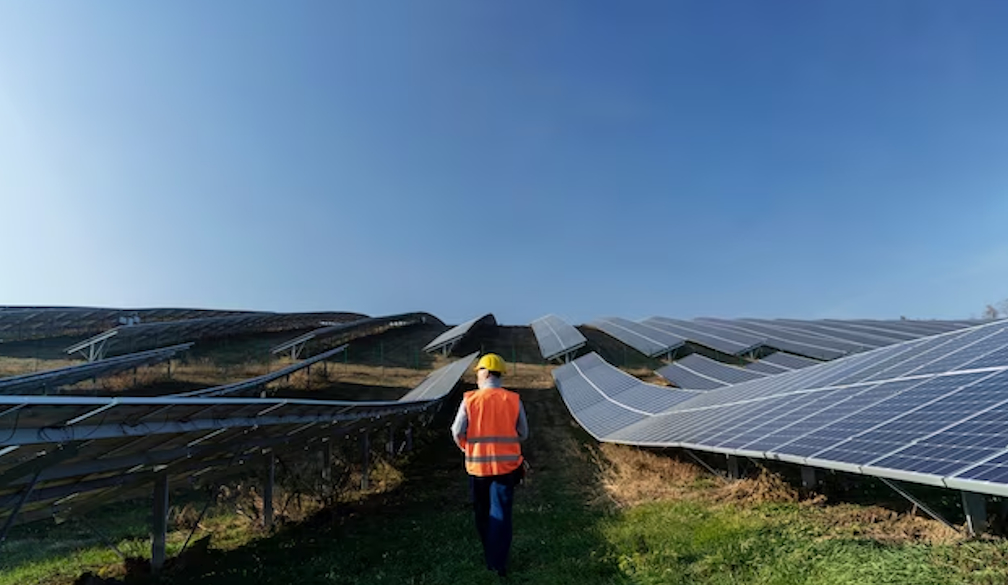
Australia's abundant sunshine makes it an ideal location for harnessing the power of solar energy. Going solar is not just an environmentally conscious choice; it's a practical and cost-effective decision for homes and businesses.
This article explores six compelling reasons to switch to solar energy in Australia, outlining the benefits for individuals and businesses looking to embrace a sustainable and economically advantageous energy solution.
1. Abundant Sunshine Down Under
Australia is renowned for its abundant sunshine, and harnessing this vast natural resource for energy is a no-brainer.
Solar panels can efficiently generate power with an average of more than 2,500 hours of sunshine annually, making it an ideal and sustainable energy solution.
- Maximum sunlight exposure for efficient energy generation.
- Capitalizes on Australia's natural resources, ensuring a constant and reliable energy source.
Leveraging Australia's abundant sunshine for solar energy using industry experts like PowerSmart Solutions makes ecological sense and ensures a consistent and reliable power supply. According to the Australian Photovoltaic Institute, Australia receives an average of 58 million PJ of solar radiation annually, emphasizing the untapped potential for solar energy utilization.
2. Generous Government Incentives
The Australian government is actively encouraging the adoption of solar energy through various financial incentives. Rebates, feed-in tariffs, and tax credits are available, significantly reducing the
As of 2021, the Australian government's Small-scale Renewable Energy Scheme (SRES) provides financial incentives for small-scale renewable energy systems, including solar panel installations.
3. Reduced Electricity Bills
Installing solar panels allows homeowners and businesses to generate their electricity, reducing electricity bills considerably. Excess energy generated can be fed back into the grid, earning credits or payments through feed-in tariffs.
- Significant reduction in electricity bills and potential earnings through feed-in tariffs.
- Long-term cost savings and potential additional income from excess energy.
Going solar translates into tangible financial benefits, providing substantial savings on electricity bills and potential earnings through energy contributions. According to a report by the Clean Energy Council, solar installations in Australia can lead to average annual savings of $1,500 on electricity bills.
4. Environmentally Friendly Solution
Opting for solar energy is a proactive step towards reducing carbon footprints and minimizing environmental impact. Solar power is a clean, renewable energy source that produces less pollution and greenhouse gas emissions than traditional fossil fuels.
- Clean and renewable energy with minimal environmental impact.
- Demonstrates environmental responsibility, contributing to a greener and more sustainable future.
Embracing solar energy is a powerful choice for individuals and businesses committed to environmental sustainability and reducing their carbon footprint. According to the Australian Energy Market Operator (AEMO), solar energy contributed 14.5% of Australia's total energy generation in 2020.
5. Energy Independence
Relying on solar energy promotes energy independence, reducing dependence on traditional energy sources. This is particularly valuable in Australia, where volatile energy markets and changing energy policies can lead to fluctuating electricity prices.
- Reduced dependence on traditional energy sources, greater energy security.
- Protection against fluctuating electricity prices and energy market uncertainties.
Solar energy provides a degree of autonomy, ensuring a more stable and secure energy source in the face of market fluctuations. According to the International Energy Agency (IEA), Australia's solar capacity is set to triple by 2030, contributing significantly to energy independence.
6. Increased Property Value
For homeowners, solar panels can enhance property value and market appeal. A solar-equipped home is considered energy-efficient and cost-effective, making it a desirable investment for environmentally conscious buyers.
- Increased property value and market appeal.
- Positions the property as energy-efficient and attractive to potential buyers.
Investing in solar energy yields immediate financial benefits and enhances the long-term value and marketability of residential properties. According to a study published in the Journal of Real Estate Economics and Finance, homes with solar panels in Australia can see an average increase in resale value of up to 4.1%.
Australia has never had a more opportune time to embrace solar energy. From abundant sunshine and government incentives to reduced electricity bills and environmental benefits, the advantages are compelling for both homes and businesses.
Going solar is not just a smart energy choice; it's a strategic investment in a sustainable and economically advantageous future for individuals and businesses.